
Creatine Gummies: Are These Candy-Like Supplements Worth Your Money?
Fitness enthusiasts are increasingly turning to chewable supplements that deliver the benefits of traditional powders without the chalky taste. These sweet, candy-like alternatives have flooded store shelves, marketed as effortless ways to support muscle growth and energy. But beneath the glossy packaging lies a troubling reality many consumers don’t see coming.
Production challenges plague these trendy products. Heat exposure during manufacturing can break down active ingredients, leaving some formulas weaker than advertised. Independent lab tests show shocking inconsistencies: some brands contain less than half the potency listed on their labels.
Consumers often assume they’re getting the same science-backed results as powdered options. However, experts warn that texture and flavor additives might compromise absorption rates. While the convenience factor appeals to busy lifestyles, the trade-offs in effectiveness raise serious questions about their true value.
Key Takeaways
- Chewable supplements face manufacturing hurdles that reduce ingredient potency
- Third-party testing reveals major discrepancies in labeled vs. actual content
- Flavor additives may interfere with nutrient absorption compared to traditional forms
- Price per serving often exceeds conventional supplements despite lower effectiveness
- Regulatory gaps allow misleading claims about dosage and benefits
Understanding Creatine: Benefits and Challenges
This cellular fuel has powered athletes for decades, but its mechanics remain misunderstood. Let’s explore how it operates in the body and what science says about its advantages.
What Are Creatine Gummies and How Do They Work?
Creatine monohydrate acts like a biological battery charger. It boosts phosphocreatine stores in muscles, helping regenerate ATP (the energy currency cells use during explosive movements like weightlifting or sprinting). Studies show this process allows athletes to push harder during workouts and recover faster between sets.
Think of creatine gummies as your muscles’ favorite snack. They deliver the same compound found in traditional powders, just wrapped in a chewy, fruit-flavored package. Instead of mixing powder into water, you pop a few gummies and go. Simple as that.
But here’s where it gets interesting. While the delivery method changes, the science remains the same. Your body doesn’t care whether creatine arrives via powder or gummy; it just needs enough of the stuff to fuel those high-intensity workouts.
Common Reactions and Usage Guidelines
Most users experience minimal issues, though some report temporary water retention or mild stomach discomfort. Proper hydration becomes crucial since the compound pulls fluid into muscle cells. Those with kidney conditions should consult doctors before use.
Research spanning 25 years confirms creatine monohydrate’s safety profile when taken as directed. Its benefits for strength gains and exercise capacity outweigh minor side effects for most healthy adults. However, quality matters: third-party tested products deliver more reliable results than untested formulas.
The Rise of Creatine Gummies in the Supplement World
The supplement aisle has transformed into a candy store. Busy consumers now gravitate toward chewable options that blend nutrition with indulgence, rewriting the rules of daily supplementation.
From Powders to Palatable Solutions
Traditional powdered forms dominated fitness routines for years. Their effectiveness remains undisputed, but gritty textures and mixing hassles frustrated many users. One study found 43% of athletes abandoned powdered supplements due to taste issues within six months.
Enter brightly colored, fruit-flavored alternatives. These portable options eliminate measuring cups and shaker bottles. Pre-dosed servings appeal to time-crunched individuals seeking grab-and-go nutrition. Manufacturers now prioritize flavor science over functional minimalism.
The shift mirrors broader trends in dietary supplements. Sales of chewable products grew 17% last year, outpacing capsules and tablets. This surge reflects changing consumer priorities: convenience and enjoyment now rival potency in purchase decisions.
However, innovation brings new challenges. Some formulas sacrifice dosage accuracy for better taste. Others use binding agents that might slow nutrient absorption. While the candy-like format increases compliance, it raises questions about long-term efficacy compared to pure powdered forms.
How Many Creatine Gummies Should I Take Per Day for Best Results?
Navigating supplement labels feels like solving a math puzzle. Brands use wildly different formulas to deliver active ingredients, forcing consumers to decode serving sizes and piece counts. This variability creates confusion about how many chewables equal an effective dose of creatine intake.
Understanding Recommended Dosages
Sports scientists agree: 3-5 grams per serving delivers optimal results. Yet chewable products scatter this range across multiple pieces. Bounce Nutrition packs 6 grams into three gummies, while Swoly requires five pieces for just 4 grams. This inconsistency turns daily supplementation into a guessing game.
| Brand | Gummies Per Serving | Grams Per Serving |
|---|---|---|
| Legion | 5 | 5g |
| Create | 3 | 4.5g |
| Bounce | 3 | 6g |
| Swoly | 5 | 4g |
| Bloom | 5 | 5g |
The International Society of Sports Nutrition confirms smaller, consistent doses outperform sporadic mega-servings. But chewable formats complicate this strategy. Products needing five pieces per serving demand twice-daily handfuls of candy-like supplements.
“Consumers shouldn’t need a calculator to meet basic nutritional needs.”
— Sports Dietitian, ISSN Advisory Board
Most brands recommend taking your full serving in one go, preferably around your workout time. Some people split their dose throughout the day, but honestly? The timing matters less than consistency. Your muscles don’t care if you take creatine at 6 AM or 6 PM; they just want their daily supply.
Are Creatine Gummies as Effective as Creatine Powder?
Here’s the million-dollar question that keeps fitness forums buzzing. Let’s break down the real differences between these two supplement formats.
The Battle: Creatine Monohydrate Gummies vs. Traditional Forms
Chewable formats shine in convenience but face scrutiny in cost and composition. A 30-serving bottle of premium monohydrate gummies averages $45, while powders cost under $10 for the same quantity. This price gap forces users to prioritize either portability or budget-friendliness.
| Features | Chewable Options | Powdered Forms |
|---|---|---|
| Cost Per Serving | $1.50 – $2.80 | $0.10 – $0.30 |
| Preparation Time | None | Mixing Required |
| Additives | Common | Rare |
| Shelf Stability | 6-12 Months | 2+ Years |
| Taste | Fruity/Sweet | Neutral/Bland |
| Portability | Excellent | Moderate |
Pre-measured doses eliminate guesswork but limit customization. Athletes needing precise adjustments often prefer powders for dose flexibility. “Heat-sensitive ingredients in chewables can degrade 30% faster than their powdered counterparts,” notes a lab director from an ISO-certified facility.
Lab Testing Reveals the Truth
Independent analysis exposes startling gaps between marketing and reality. One popular product contained only 1.8 grams of active ingredient despite claiming 5 grams per serving. Another showed elevated creatinine levels (evidence of degraded contents).
While some companies like Legion and Bloom verify potency through independent checks, many avoid transparent testing. This regulatory gray area leaves consumers guessing about actual nutritional value. The convenience of pre-dosed chewables often comes with hidden compromises in quality control.
Texture preferences split users sharply. Those avoiding chalky residues favor fruit-flavored alternatives, while purists prioritize ingredient simplicity. Storage becomes another battleground: powders withstand humid environments better than gel-based formats.
“The true cost isn’t just monetary; it’s about what you’re willing to compromise for convenience.”
While both deliver the same active compound eventually, absorption rates may vary due to binding agents in chewables. This trade-off between immediate enjoyment and long-term results defines the modern supplement dilemma.
Are There Any Artificial Ingredients or Sweeteners in Creatine Gummies?
The sweet coating on chewable supplements hides a bitter truth about modern nutrition choices. While these products solve taste challenges, their sugar content often undermines their health claims.
Health Impact of Added Sugars
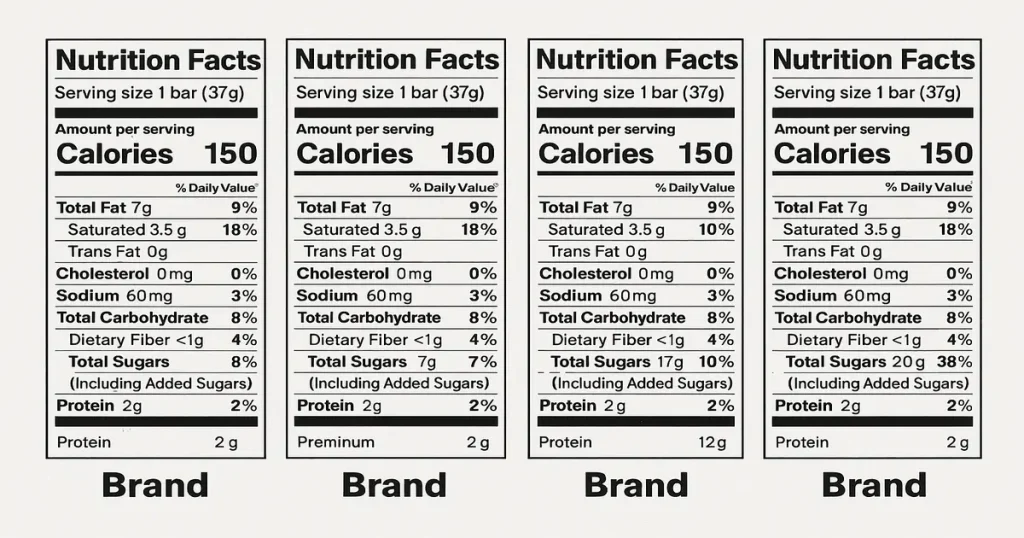
Some brands pack 8 grams of added sugar per serving (equivalent to two teaspoons). For someone consuming 2,000 daily calories, this represents 16% of the USDA’s recommended limit. Regular intake could spike blood sugar levels and contribute to dental erosion.
Lower-sugar options exist but require scrutiny. Swoly’s formula contains 2.5 grams per serving, while Create uses partial natural sweeteners. Even “sugar-free” versions using stevia may cause bloating in sensitive users.
Taste vs. Nutrition Tradeoffs
Manufacturers face a dilemma: more sugar improves flavor but reduces nutritional value. Bear Balanced’s zero-sugar approach uses sugar alcohols, though some report chalky aftertastes. Artificial sweeteners help bridge this gap but lack long-term studies on metabolic effects.
Here’s what you’ll commonly find in creatine gummies:
- Added sugars: glucose syrup, cane sugar, or fruit juice concentrates
- Artificial sweeteners: sucralose, aspartame, or acesulfame potassium
- Sugar alcohols: erythritol, xylitol, or maltitol
- Natural sweeteners: stevia, monk fruit extract
- Binding agents: gelatin, pectin, or agar
- Food coloring: both natural and artificial varieties
Consumers must decide between immediate enjoyment and sustained wellness. Products with moderate added sugars strike a better balance, proving effective taste doesn’t require excessive sweeteners.
Are Creatine Gummies Gluten-Free and Vegan-Friendly?
Dietary restrictions shouldn’t stop you from hitting your fitness goals. Thankfully, many brands have caught on to this reality.
Most creatine gummies are gluten-free by default since creatine monohydrate itself contains no gluten. However, cross-contamination during manufacturing remains a concern. Brands like Known Nutrition and EcoWise explicitly label their products as gluten-free and undergo testing to verify this claim.
The vegan question gets trickier. Traditional gummy formulas use gelatin (derived from animal collagen), making them unsuitable for plant-based diets. But the market’s evolving. FitVine Creatine Gummy Blend and several others now use pectin or agar as vegan-friendly alternatives.
If you’re vegan or vegetarian, look for these key indicators:
- Pectin-based instead of gelatin-based
- Explicit “vegan” or “plant-based” labeling
- Third-party vegan certifications
- No beeswax coatings
Body Science and VitaFlex offer vegan options that don’t compromise on taste or potency. Just remember: always check the ingredient list, because “natural flavors” can sometimes hide animal-derived compounds.
Can Creatine Gummies Be Used Alongside Protein Powder?
Absolutely, and you probably should. These two supplements play completely different roles in your fitness journey, making them perfect workout partners.
Creatine gummies fuel your muscles’ energy systems, helping you power through those last few reps. Protein powder, on the other hand, provides the building blocks your muscles need to recover and grow after you’ve destroyed them in the gym.
Think of it this way: creatine is your performance enhancer during the workout, while protein is your recovery specialist afterward. They’re not competing; they’re collaborating.
Timing matters, though:
- Take creatine gummies anytime (consistency beats timing)
- Consume protein powder within 30-60 minutes post-workout for optimal muscle protein synthesis
- Many athletes take both in their post-workout shake
Just watch your overall supplement intake. If you’re stacking multiple products, you might inadvertently overdose on certain vitamins or minerals. ActiveFuel Creatine Gummies already include BCAA and collagen, so factor that into your total amino acid intake.
The bottom line? Creatine gummies and protein powder make an excellent combo for anyone serious about muscle growth and performance. Just don’t expect the gummies to replace your protein needs or vice versa.
What Benefits Do Creatine Gummies Provide Beyond Muscle Growth?
Creatine isn’t just about getting swole. Research over the past two decades has uncovered some surprising benefits that extend well beyond the weight room.
Creatine Gummies for Energy and Focus
Your brain is an energy-hungry organ, and guess what? It uses the same ATP energy system as your muscles. Studies suggest creatine supplementation may support cognitive function, especially during mentally demanding tasks or sleep deprivation.
Optimum Performance Creatine Gummies specifically target this angle, combining creatine with cognitive-enhancing ingredients. While more research is needed, early evidence shows promise for:
- Improved working memory
- Faster information processing
- Better mental stamina during prolonged cognitive tasks
- Enhanced focus during high-stress situations
Can Creatine Gummies Support Cognitive Function and Energy Balance?
The short answer: possibly, yes. Creatine helps maintain cellular energy balance throughout your body, not just in skeletal muscle. Your brain cells use phosphocreatine to regenerate ATP just like muscle cells do.
Some people report feeling more mentally sharp and energized throughout the day when supplementing with creatine. Whether that’s a direct cognitive effect or simply the result of better workouts leading to better sleep and overall wellness remains debatable.
What we know for certain:
- Creatine supports cellular energy metabolism everywhere in the body
- Brain tissue contains creatine and uses it for energy production
- Vegetarians and vegans (who get less dietary creatine) may see more pronounced cognitive benefits
- The dosages studied for cognitive effects match those used for muscle performance (3-5g daily)
ENZ Pharmtech Creatine Performance Gummies and TruFit Nutrition Creatine Gummies both market themselves for high-intensity workouts, but that sustained energy can translate to better mental performance too.
How Long Does It Usually Take to See Results from Creatine Gummies?
Let’s set realistic expectations. Creatine isn’t a magic pill that transforms your physique overnight, whether it comes in powder or gummy form.
Typical timeline:
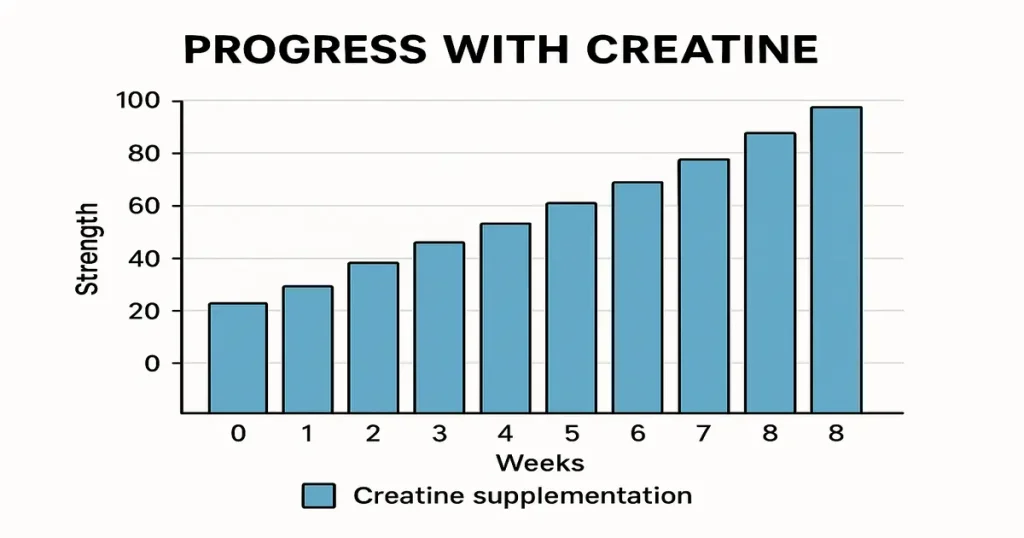
- Days 1-5: You might notice slight water retention as your muscles pull in fluid. Don’t panic; this is normal and actually beneficial for muscle function.
- Week 1-2: Energy during workouts starts improving. You’ll likely squeeze out an extra rep or two on your sets.
- Week 3-4: Strength gains become noticeable. You’re lifting heavier or performing more reps at your usual weights.
- Week 4-8: Visible muscle growth starts appearing, though this varies dramatically based on training and nutrition.
Some brands recommend a “loading phase” (20g daily for 5-7 days), but research shows this isn’t necessary. A consistent 3-5g daily dose achieves the same muscle saturation; it just takes 3-4 weeks instead of one week.
Bear Strength Creatine Gummy Fuel and ReviveStrong Creatine Gummies both provide enough creatine per serving to see results within the standard timeframe, assuming you’re training consistently and eating enough protein.
Here’s the reality check: creatine amplifies your efforts. If your training sucks or your diet is garbage, even the best creatine gummies won’t save you. But combine proper supplementation with solid programming and nutrition? That’s when the magic happens.
Are There Any Side Effects Associated with Creatine Gummies?
Let’s address the elephant in the room. Social media loves to spread horror stories about creatine, but what does the science actually say?
The Real Side Effects (Not the Myths)
Most users experience minimal issues when taking creatine gummies as directed. Here’s what might actually happen:
Common but minor:
- Water retention (2-4 pounds of water weight)
- Mild stomach discomfort if taken on an empty stomach
- Occasional bloating, especially with higher doses
- Increased thirst
Rare but possible:
- Digestive issues from sugar alcohols in sugar-free versions
- Cramping if you’re not staying hydrated
- Allergic reactions to gummy ingredients (not the creatine itself)
Research spanning 25 years confirms creatine monohydrate’s safety profile when taken as directed. Its benefits for strength gains and exercise capacity outweigh minor side effects for most healthy adults.
What About the Scary Stuff?
The internet will tell you creatine destroys your kidneys, causes hair loss, and makes you aggressive. Let’s debunk this nonsense:
- Kidney damage: No evidence in healthy individuals. Those with pre-existing kidney conditions should consult doctors before use.
- Hair loss: One widely cited study suggested a link, but decades of research haven’t confirmed it.
- Dehydration: Myth. Creatine pulls water into muscle cells, not away from your body.
- Liver damage: No credible evidence supports this claim.
The biggest actual concern with creatine gummies specifically? The added sugars and artificial ingredients create more potential side effects than the creatine itself. That 8 grams of sugar per serving in some brands can cause blood sugar spikes, especially if you’re pre-diabetic or diabetic.
Proper hydration becomes crucial since the compound pulls fluid into muscle cells. Aim for at least 8-10 glasses of water daily when supplementing with any form of creatine.
Best Creatine Gummies: Top Picks for 2025
After sifting through lab tests, user reviews, and ingredient lists, here are the standout options worth your money:
Premium Tier: Best Overall Quality
1. Bloom Creatine Gummies
- 5g clinically researched creatine per serving
- Berry flavor that actually tastes good
- Third-party tested for quality and safety
- Women-focused branding, but it works for everyone
- Why it wins: Transparency and consistent potency
2. Legion Creatine Gummies
- 5g creatine monohydrate per 5-gummy serving
- No artificial colors or flavors
- Independently verified through third-party testing
- Higher price point but delivers on promises
- Why it wins: Matches clinical research standards
Best Value Options
3. Swoly Creatine Monohydrate Gummies
- Pure formula with minimal added ingredients
- Strawberry flavor
- 4g per serving (5 gummies)
- Lower sugar content at 2.5g per serving
- Why it wins: Decent quality without breaking the bank
4. Core – Create Creatine Monohydrate Gummies
- Variety pack with multiple flavors (orange, blue raspberry)
- 4.5g creatine per 3-gummy serving
- Uses partial natural sweeteners
- Why it wins: Flavor variety keeps things interesting
Specialized Formulas
5. VitaFlex Creatine Gummies
- Sugar-free formula with enhanced absorption
- Uses sugar alcohols instead of regular sugar
- Great for low-carb dieters
- Why it wins: Best for those watching sugar intake
6. FitVine Creatine Gummy Blend
- Vegan-friendly formula
- No artificial colors or flavors
- Pectin-based instead of gelatin
- Why it wins: Best plant-based option
7. ActiveFuel Creatine Gummies
- Includes BCAA and collagen for muscle support
- All-in-one approach for convenience
- 5g creatine per serving
- Why it wins: Multi-benefit formula
High-Performance Options
8. TruFit Nutrition Creatine Gummies
- Supports high-intensity exercise
- 5g creatine per serving
- Pre-workout focused formula
- Why it wins: Best for serious athletes
9. Optimum Performance Creatine Gummies
- Combines creatine with cognitive-enhancing ingredients
- Focus on mental and physical performance
- Why it wins: Dual-purpose supplementation
10. Bear Strength Creatine Gummy Fuel
- Premium fuel focused on muscle recovery and energy
- Higher price reflects quality ingredients
- Why it wins: Recovery-focused formula
Other Notable Mentions
- Known Nutrition Creatine Gummies (Peach): 1g per gummy, gluten-free, natural flavor
- EcoWise Creatine Monohydrate Gummies: Made in America, known for purity
- ENZ Pharmtech Creatine Performance Gummies: Designed for muscle strength and endurance
- Sequoya Bio Creatine Gummies: Custom formulations with optional multivitamins
- PureFormulas Creatine Gummies: High potency and easy chewable form
- NutraBlast Creatine Gummies: Allergen-conscious formulations
- Body Science Creatine Gummies: Clinical-grade creatine
- ProSupps Creatine Gummy Cubes: Convenient cube shape for precise dosing
- MaxFit Creatine Gummies: Focused on fitness enthusiasts
- ReviveStrong Creatine Gummies: Pre-workout energy and recovery
- Muscle Lab Creatine Gummies: Focus on muscle endurance
Where to Buy Creatine Gummies Online
Shopping for creatine gummies online offers convenience and often better prices than brick-and-mortar stores. Here’s where to look:
Major retailers:
- Amazon (widest selection, read reviews carefully)
- GNC.com (frequent sales and rewards program)
- Bodybuilding.com (fitness-specific retailer)
- iHerb (international shipping available)
- Vitamin Shoppe (price matching available)
Brand direct websites:
- Often offer subscription discounts (15-20% off)
- Better customer service and authenticity guarantees
- Occasional exclusive flavors or bundles
Pro tips for online shopping:
- Check expiration dates in product images
- Read recent reviews (within the last 3 months)
- Compare the price per gram of creatine, not just the bottle price
- Look for third-party testing certifications
- Watch for fake reviews (overly positive, generic language)
The Bottom Line: Are Creatine Gummies Worth It?
Here’s what I’ve learned after diving deep into the world of creatine gummies: they’re convenient, sure, but convenience comes at a cost (literally and figuratively).
If you’re someone who travels constantly, hates the ritual of mixing powders, or simply can’t stomach traditional supplements, gummies might be your answer. But go in with eyes wide open. You’re paying premium prices for products that may deliver less than promised, contain unnecessary sugars, and degrade faster than their powdered counterparts.
Choose creatine gummies if:
- Convenience outweighs cost concerns
- You have a reliable income, and $40-50/month for supplements doesn’t hurt
- You’ve tried powders and absolutely can’t stick with them
- Travel frequently and need grab-and-go options
- Taste and texture matter more than optimal value
Stick with powder if:
- Budget is a primary concern
- You want maximum shelf stability
- Customizing doses matters for your training
- You prioritize pure, minimal-ingredient formulas
- You’re serious about long-term supplementation
My advice? Choose wisely. Look for third-party tested brands like Legion or Bloom that verify their potency. Read labels carefully: count those gummies per serving and check sugar content. And honestly ask yourself whether the candy-like convenience is worth 15 times the price.
For most people serious about their fitness goals, traditional creatine monohydrate powder remains the gold standard. It’s cheaper, more stable, and backed by decades of research. But if gummies keep you consistent, where would powder? That consistency might just tip the scales in their favor.
The supplement world isn’t black and white; it’s a spectrum of personal preferences, budgets, and goals. Wherever you land on that spectrum, make sure you’re making an informed choice, not just reaching for the prettiest package on the shelf.
Remember: the best supplement is the one you’ll actually take consistently. Whether that’s powder, pills, or gummies doesn’t matter nearly as much as showing up, doing the work, and fueling your body properly.
Now get out there and make those gains.