

Profitable Side Hustles for Women in 2026: Your Path to Financial Freedom
Part 1: Online & Content Creation Side Hustles
Why This Matters More Than Ever
Have you ever caught yourself calculating how many more years you’ll need to work before you can actually afford that vacation, that home renovation, or even just a comfortable emergency fund? If you’re nodding right now, you’re not alone. The economic landscape has shifted in ways that make a single income stream feel less like stability and more like walking a tightrope without a safety net.
Here’s what most people don’t talk about openly: women still earn approximately 82 cents for every dollar men make. That’s not just a statistic; it’s your retirement account, your savings goals, your financial independence being chipped away year after year. Side hustles aren’t just about buying nice things or treating yourself. They’re about closing that gap on your own terms, building the financial cushion that one job simply can’t provide anymore, and creating options in an economy that offers fewer guarantees than ever before.
The beautiful part? We’re living in the first era where launching a profitable venture from your couch, a coffee shop, or literally anywhere with WiFi has become genuinely accessible. Remote work isn’t experimental anymore; it’s normalized. Digital platforms have dropped the barriers to entry so low that the main thing standing between you and supplemental income is often just the decision to start. According to recent workforce studies, freelancers now represent nearly 40% of workers, and that number keeps climbing as more women discover they can build something meaningful without venture capital, business loans, or even leaving their current jobs.

The Real Benefits Beyond the Money
Let’s be honest about something most articles gloss over: side hustles are hard work. If anyone promises you’ll make thousands next month with minimal effort, run the other direction. But here’s what makes them worth it beyond the extra money in your account.
You control everything. Your schedule, your clients, your prices, your growth pace. Had a rough week at your day job and need to dial back? You can. Found extra energy and want to push harder? That’s your call too. Many women start with just five hours weekly, testing the waters while keeping their financial safety net intact. Some stay at that level indefinitely because it perfectly supplements their income without overwhelming their lives. Others gradually build businesses that rival or exceed their primary salaries, and suddenly, that optional side hustle becomes a genuine choice about their future.
There’s also something deeply empowering about building something that’s entirely yours. Your day job might involve politics, difficult managers, or feeling undervalued. Your side hustle? That’s your territory. You set the standards, choose who you work with, and directly see the connection between your effort and results. When you land a new client, increase your rates, or hit an income milestone, that success is undeniably yours.
And practically speaking, multiple income streams create resilience that single-source income simply cannot match. Company layoffs, industry downturns, unexpected life changes; these things happen to everyone eventually. Having established side income means you’ve already got momentum, skills, and cash flow that continue regardless of what happens with your primary employment. That security is priceless, even if you never need it.
Content Creation: Building an Asset That Works While You Sleep
The Reality of Blogging in 2026
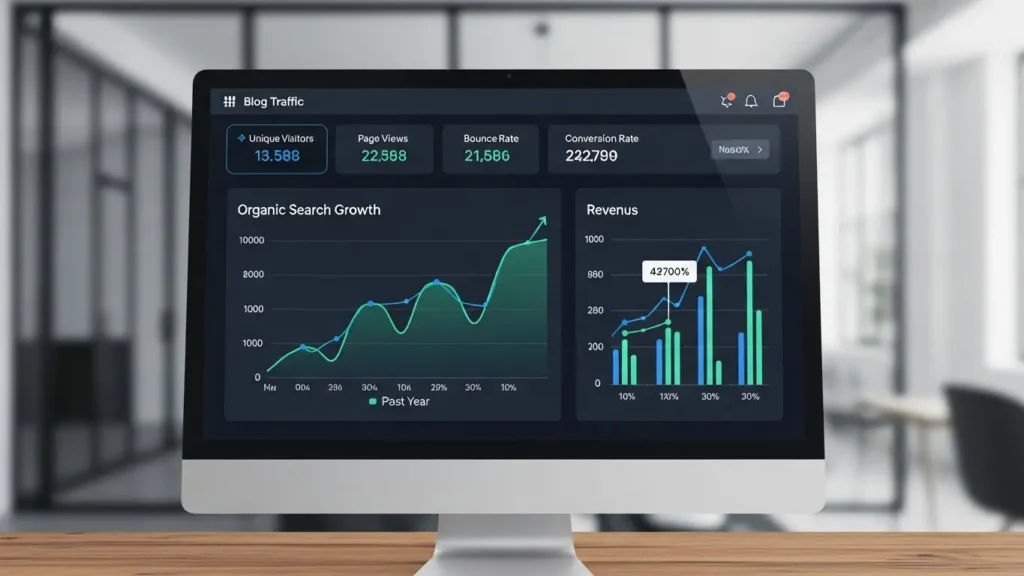
Let me start with what most blogging advice gets wrong: this isn’t 2010 anymore. You can’t just write about whatever interests you and expect traffic and income to magically appear. But here’s what still works remarkably well: strategic blogging that solves specific problems for specific people who are actively searching for solutions online.
The fundamental appeal of blogging hasn’t changed. Unlike service-based work, where you trade hours for dollars, a successful blog generates income around the clock through multiple revenue streams. That article you publish today could still be driving traffic and earning commissions five years from now. It’s one of the few truly scalable side hustles available, where your earning potential isn’t directly capped by available hours.
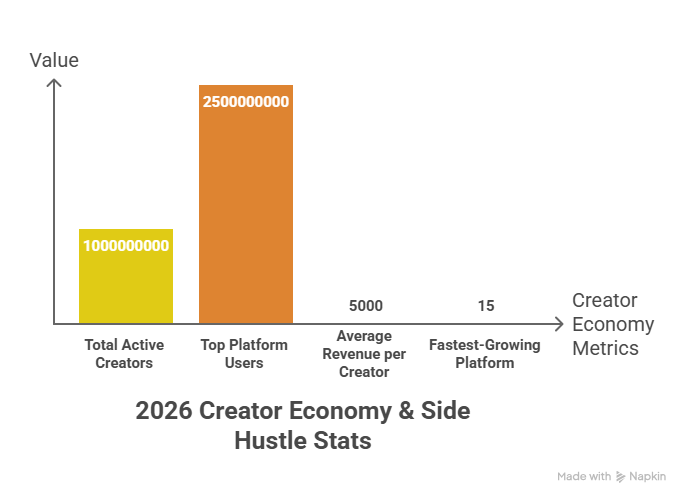
The trick is approaching it strategically from day one. Choose niches where people actually spend money and search for information online. Personal finance, productivity tools and systems, sustainable living products, specialized hobbies with dedicated communities; these work because commercial intent exists. Someone searching “best budgeting apps for couples” or “how to start composting in small apartments” is actively seeking solutions they’ll pay for. Compare that to “my thoughts on random topics,” and you’ll see why niche selection matters so much.
If you’ve already tried blogging and gotten discouraged by crickets chirping on your posts, the issue was likely positioning rather than writing ability. A working parent blogging about realistic meal prep systems for families juggling activities and picky eaters has clear differentiation. Generic food blogging? You’re competing with thousands of established sites and likely getting buried in search results.
Understanding basic SEO isn’t optional anymore; it’s the difference between shouting into the void and actually reaching your audience. According to research from Ahrefs published in 2024, over 90% of web pages receive zero organic traffic from Google, primarily because they ignore fundamental optimization principles. That sounds scary until you realize it means the 10% who do understand SEO have dramatically less competition than it appears.
You don’t need to become a technical expert, but learn the basics. Research what your target audience actually searches for using tools like Ubersuggest, Ahrefs, or even Google’s free Keyword Planner. Write titles that answer specific questions people type into search bars. Create genuinely helpful content that keeps readers engaged rather than clicking away after five seconds. Structure posts logically with clear headings, break up walls of text, and include practical takeaways people can implement immediately.
Monetization comes from multiple streams working together. Affiliate marketing lets you earn commissions by recommending products you genuinely use and trust, the key word being genuinely, because your audience will immediately spot and resent disingenuous recommendations. Display advertising through networks like Mediavine or AdThrive becomes available once you hit traffic thresholds, typically around 50,000 monthly sessions. While not the highest-earning method, it provides passive income from traffic you’re already generating.
Digital products like templates, planners, in-depth guides, or courses offer exceptional profit margins since you create once and sell repeatedly. Sponsored partnerships with aligned brands can pay anywhere from a few hundred to several thousand dollars per post, depending on your traffic and engagement. Membership communities offering exclusive content create recurring revenue while building deeper connections with your most engaged readers.
Women particularly excel with authenticity-driven content, which is fortunate because authenticity is what actually converts in 2026. Your audience connects with real experiences, honest challenges, and practical solutions they can implement—not polished perfection that feels unattainable. If you’ve struggled with something and figured out a system that works, that story, combined with actionable advice, is infinitely more valuable than generic tips recycled from other blogs.
Video Content That Keeps Growing
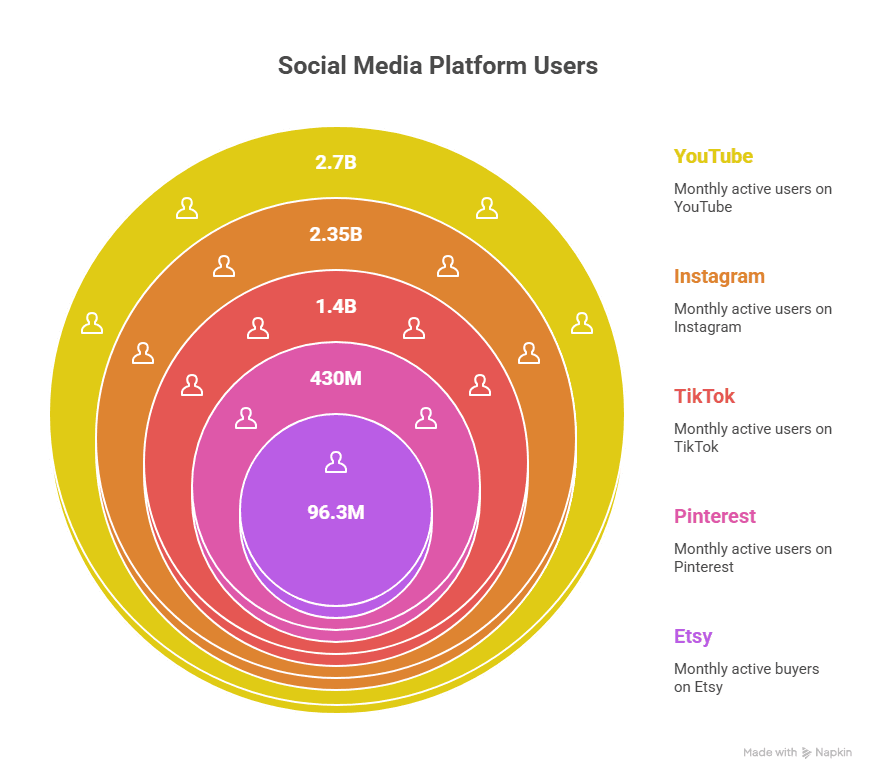
Video consumption isn’t slowing down, which creates ongoing opportunities for women willing to get comfortable on camera. Before you think “I could never do that,” consider this: the barrier most people imagine is far higher than reality. You don’t need expensive equipment; smartphones shoot quality video that’s perfectly adequate for starting. Free editing software like CapCut or DaVinci Resolve handles everything you need initially without spending a dollar.
What you do need is a specific niche and consistency. Successful channels solve particular problems for particular audiences. Budget travel strategies for families, home organization systems for small spaces, career advice for specific industries like healthcare or education, tutorial content teaching valuable skills, all perform well because they serve defined audiences searching for specific solutions.
Here’s what kills most YouTube channels: inconsistency and trying to appeal to everyone. Pick your lane, then show up regularly within it. Even weekly uploads, maintained consistently for six months, build momentum that sporadic posting never achieves. According to a 2024 YouTube Creator study, channels posting consistently for at least six months see three times higher subscriber growth than sporadic creators, primarily because the algorithm rewards reliability and audiences learn when to expect new content.
Perfectionism destroys more potential creators than lack of skill. Your first videos will be awkward; everyone’s are. Your tenth will be noticeably better. Your fiftieth will feel surprisingly natural. But you only get to video fifty by publishing videos one through forty-nine, despite them being imperfect. Start before you feel ready, improve through iteration, and remember that authentic, helpful content beats polished but generic content every single time.
Engage genuinely with comments, pay attention to which videos resonate most with your audience, and refine your approach based on actual feedback rather than assumptions about what should work. The beautiful part about YouTube is that data tells you clearly what’s working. If viewers watch a certain video type all the way through and subscribe afterward, make more of those. If they click away after 30 seconds, try a different approach.
Monetization comes from ads once you hit the partner program thresholds, but most successful creators earn far more from sponsorships, affiliate links in descriptions, and their own products or services. Your YouTube channel becomes a marketing engine,e driving people toward your highest-value offerings while the ad revenue covers coffee.
Writing That Turns Words Into Substantial Income
Freelance Writing That Actually Pays the Bills
If you have strong writing ability, you’re sitting on a more valuable skill than you probably realize. Content drives the internet; every website, every blog, every email campaign, every social media post requires words. Businesses need constant content but lack the time or expertise to create it themselves, creating endless demand for capable writers.
But here’s the critical distinction that determines whether you struggle at $25 per article or thrive at $300-500 for similar work: specialization and positioning. Generic lifestyle content is a race to the bottom because thousands of writers compete for the same low-paying gigs. Specialized business writing in niches with money and urgency? That’s where rates get serious, and competition drops dramatically.
SaaS and technology companies desperately need writers who can make complex software features understandable to non-technical audiences. If you can translate technical concepts into clear, accessible language, you’re worth premium rates because this skill is genuinely rare. Finance and investment platforms require writers who understand markets, regulations, and financial products well enough to create credible content that their audiences trust. These assignments often pay $400-800 per article because accuracy isn’t negotiable and mistakes could have legal implications.
Healthcare and wellness brands seek writers who can navigate sensitive topics with authority while adhering to strict compliance requirements. B2B marketing content for professional services consistently pays well because it directly impacts business revenue, and companies understand that quality writing generates leads. Even e-commerce product descriptions for luxury or technical products can pay $50-150 per description when brands recognize that compelling copy drives conversions.
The pattern across all these niches? They value results over word counts, understand that quality content requires expertise and time, and have budgets that reflect these realities. Your job is positioning yourself to serve these clients rather than fighting over scraps with beginners.
Building your portfolio doesn’t require permission. Create sample pieces demonstrating the exact type of work you want to be hired for. Write the articles you would like clients to assign to you, showcasing your voice, expertise, and approach. Guest post on respected platforms in your target niche, where credibility and visibility matter more than immediate payment. When you can showcase your work, focus on measurable results whenever possible. Did your article increase a client’s traffic by 40%? Drive 50 email signups? Generate 20 qualified leads? These metrics prove value in ways that word counts and publication dates simply cannot.
Cold pitching works when it’s personalized and demonstrates a genuine understanding of the client’s needs. Research companies you’d love to write for, study their existing content, identify gaps or opportunities, then craft pitches explaining specifically how you’d add value. Generic “I’m a freelance writer, here’s my rate” emails get deleted. “I noticed your blog hasn’t covered X topic yet, which your competitors are using to drive significant traffic. Here’s my specific approach to creating a comprehensive guide that would rank well and serve your audience,” gets responses.
Platforms like Contently, Scripted, and Upwork connect writers with clients and provide some structure, though direct relationships with companies often yield better rates and more interesting projects. Network within writing communities, as referrals frequently lead to premium opportunities that never get publicly posted.

Copywriting That Turns Persuasion Into Premium Pay
Copywriting is persuasive writing designed to drive specific actions, purchases, signups, downloads, and bookings. It commands premium rates because it directly impacts revenue in measurable ways. A sales page that converts at 5% instead of 2% could mean hundreds of thousands of dollars in additional revenue. An email sequence that re-engages dormant subscribers can revive seemingly dead lists. Ad copy that stops scrollers and drives clicks at lower costs directly improves marketing ROI.
This is why experienced copywriters earn $2,000-10,000 per project for comprehensive campaigns, while general writers might earn $200 for similar time investments. You’re not being paid for words—you’re being paid for results.
Women often excel at empathetic copywriting that addresses pain points authentically while guiding readers toward solutions. This approach feels less manipulative and often converts better than aggressive, hype-driven copy that raises people’s defenses. Understanding your audience’s genuine concerns, speaking to them with respect, and presenting your offering as a genuine solution creates copy that feels helpful rather than pushy.
The learning curve is steeper than general writing because effective copywriting requires understanding psychology, consumer behavior, and strategic messaging. But the investment pays off quickly once you demonstrate results. Start by studying successful campaigns in industries you understand. Take courses from established copywriters like Joanna Wiebe, Joanna Wiebe of Copyhackers or Eddie Shleyner of Very Good Copy. Practice obsessively with different formats—email sequences, landing pages, ad copy, sales pages.
Begin with email sequences for small businesses, charging $500-1,000 for a five-email series. This is accessible enough for small businesses to afford while being substantial enough to demonstrate your value. As you prove results, improved open rates, higher click-through rates, and actual sales generated, transition to sales pages and comprehensive campaigns for larger clients willing to pay premium rates.
Track everything meticulously. When your copy generates a 4% conversion rate compared to the client’s previous 1.5%, that’s not just a nice improvement—it’s proof of your value that justifies higher rates and attracts better clients.
How to Transform Consulting and Coaching Into Premium Income
Most people dramatically underestimate the market value of the expertise they’ve spent years developing. That skill you’ve been refining throughout your career? Someone would absolutely pay to learn it or have you apply it to their situation. The project management systems you’ve mastered through necessity? Small businesses desperately need that expertise but cannot afford full-time hires. The financial transformation you achieved by paying off debt and building savings? Countless people would pay for guidance on that exact journey.
Consulting and coaching transform knowledge into scalable income. Start with one-on-one sessions where you charge hourly or per session, then evolve toward group programs where you serve multiple clients simultaneously, and eventually create digital courses that generate income without your direct time investment. This progression lets you scale dramatically while actually working less once your systems are established.
Profitable niches exist wherever people face expensive problems and need expert guidance. Career coaching helps professionals navigate transitions, negotiate better salaries, and accelerate advancement in an era where traditional career paths have fragmented. If you’ve successfully changed careers, negotiated significant raises, or built valuable professional networks, you can guide others through similar journeys. Business strategy consulting for specific industries lets you leverage insider knowledge that generalist consultants lack.
Your ten years in healthcare administration, retail management, or real estate mean you understand industry-specific challenges, regulations, and opportunities that books and courses cannot teach. Marketing and social media expertise remains perpetually in demand because the landscape evolves constantly, and small businesses know they need digital presence but lack the knowledge to execute effectively. Personal finance and budgeting guidance empowers clients to transform their financial lives, and if you’ve successfully paid off debt, built an emergency fund, or achieved specific financial milestones, you have credibility that financial theory alone cannot provide.
Health, wellness, and lifestyle coaching combines passion with profit when you’ve achieved real results and can motivate clients through similar transformations. Productivity and organization systems solve universal problems. If you’ve developed effective methods for managing complex schedules, organizing households, or maximizing efficiency, that knowledge is marketable.
Building credibility happens through strategic content marketing rather than just announcing you’re available for hire. Share valuable insights through LinkedIn articles, blog posts, Instagram content, or YouTube videos that demonstrate your methodology and expertise. Offer genuinely useful free resources like downloadable guides, templates, or short workshops that showcase your approach while building trust with potential clients. According to a 2024 study by the Content Marketing Institute, consultants who publish weekly content generate 67% more leads than those who don’t, and critically, those leads convert at higher rates because they arrive already convinced of the consultant’s expertise.
Pricing depends on your niche and positioning, but most consultants undercharge initially out of fear or imposter syndrome. Career coaches typically charge $150-300 per session, and clients willingly pay because the ROI of a better job or higher salary far exceeds the investment. Business consultants often work on monthly retainers of $2,000-5,000, providing ongoing strategic guidance and implementation support. Package your services around clear outcomes rather than just time—clients pay for transformations, not hours. A package promising “three months of weekly calls” is less compelling than “a structured program helping you transition careers, including resume optimization, interview preparation, networking strategy, and negotiation coaching.”
Scale intelligently by transitioning from only one-on-one work to group programs where you coach multiple clients simultaneously through the same curriculum. A 12-week group program with 10 participants at $997 each generates nearly $10,000 while requiring less time than individual sessions because you’re delivering the core content once. Eventually, create self-paced courses that students complete independently, allowing your expertise to generate income even when you’re sleeping, on vacation, or focused on other projects.
How Virtual Assistance Can Become a High-Paying Side Hustle
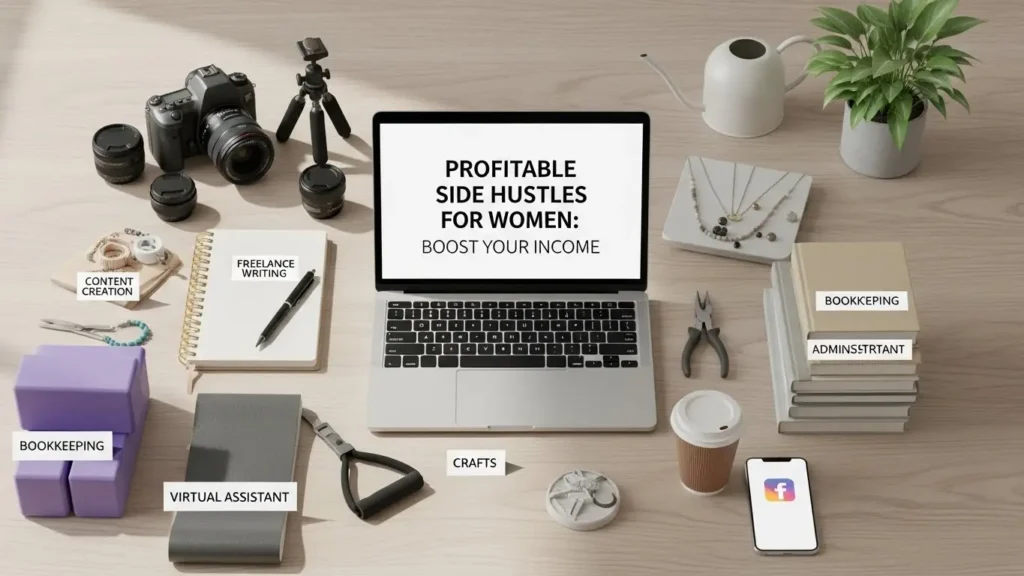
Virtual assistance has evolved far beyond basic administrative tasks. While general VAs handling email, scheduling, and data entry earn respectable $25-45 hourly rates, specialists offering high-value services command $60-100+ hourly by positioning themselves as experts rather than order-takers.
The businesses most willing to pay premium rates need specialized support that requires actual expertise, not just task completion. Pinterest management for e-commerce brands combines creativity with strategy, and brands recognize that Pinterest drives significant traffic and sales but lack the time or knowledge to optimize their presence effectively. Comprehensive Pinterest management, including account setup, pin design, keyword optimization, and analytics reporting, typically pays $500-1,500 monthly per client. Podcast production and editing support the booming podcast industry, where hosts want to focus on content and guest relationships rather than technical details.
If you can handle audio editing, show notes creation, transcript preparation, guest coordination, and distribution across platforms, podcasters will pay $300-800 per episode for reliable, quality production. Customer relationship management maintenance keeps sales pipelines organized and functioning, and master platforms like HubSpot or Salesforce to charge $40-75 hourly for database management, automation setup, and reporting. Bookkeeping and invoicing solve a universal pain point for small businesses. While full accounting requires certification, basic bookkeeping using QuickBooks or FreshBooks helps businesses stay organized and compliant at $35-60 hourly, depending on complexity.
Executive assistance for busy entrepreneurs includes sophisticated calendar management, travel coordination, inbox management, and special project support. Experienced executive VAs become indispensable to high-level clients and earn $50-100 hourly because they anticipate needs and solve problems proactively. Project management coordination ensures complex initiatives stay on track, on budget, and properly communicated to all stakeholders. If you’ve managed projects in any capacity during your career, these skills translate directly into remote project management services at $45-80 hourly.
Start by honestly assessing transferable skills from your primary career. Have you managed projects, coordinated teams, handled complex scheduling, navigated difficult client relationships, or solved operational problems? These abilities translate directly into VA services that businesses value. Take relevant courses to add credentials; platforms like Udemy and Coursera offer affordable training in specific tools like Asana, HubSpot, QuickBooks, or advanced Excel that immediately increase your marketability.
Market yourself through LinkedIn by optimizing your profile around your specialized services and sharing insights about productivity, business operations, or your area of expertise. Join VA-specific job boards like Belay, Time Etc, or Fancy Hands to access curated opportunities, or reach out directly to entrepreneurs and small businesses whose work you admire and whose needs align with your skills.
Build systems that maximize your efficiency across multiple clients. Use project management tools like Asana, Trello, or ClickUp to keep everything organized. Create templates for recurring tasks and communications so you’re not reinventing the wheel constantly. Automate wherever possible using tools like Zapier to handle repetitive workflows. These systems let you serve multiple clients excellently without sacrificing quality or burning out, which is the key to scaling VA income beyond simply trading hours for dollars.
Turn Your Language Fluency Into a Flexible Income
If you’re fluent in multiple languages, you possess a marketable skill with remarkable flexibility and global demand. Language learning continues to grow worldwide, particularly for English, Spanish, Mandarin, and French, and online platforms have eliminated geographic limitations. You can teach students in Tokyo, Madrid, or São Paulo from your living room in Ohio.
Even if you only speak English fluently but grew up speaking it natively, you have something millions of people worldwide want to learn for career advancement, travel, or personal development. Non-native English speakers represent your potential student base, and they’re actively searching for teachers right now.
Platforms like iTalki, Verbling, and Preply facilitate connections while handling payments, scheduling, and platform logistics so you focus entirely on teaching. You set your rates, availability, and teaching approach based on what works for your schedule and expertise. Rates vary by language, credentials, and experience, typically ranging from $15-60 per hour, with experienced teachers of in-demand languages commanding the higher end. Cambly offers ultra-flexible conversation practice for English learners at lower rates around $10.20 per hour, but the complete flexibility and zero lesson planning make it perfect for filling spare hours with minimal preparation.
Consider specializing to stand out and command higher rates. Business English for professionals preparing for presentations, negotiations, or client meetings pays premium rates because students see direct career value. Conversational practice for travelers offers engaging, culture-focused lessons that feel more like friendly practice than formal education. Test preparation for TOEFL, IELTS, DELE, or other standardized exams attracts highly motivated students willing to pay more for results-focused instruction with proven methodologies.
Create structured curriculum materials that deliver visible progress, encouraging students to continue long-term. Returning students provide a stable, predictable income without constant marketing effort. A base of 10 regular students meeting weekly generates $600-2,400 monthly, depending on your rates, and those relationships often last months or years as students work toward fluency goals.
Teaching online requires reliable internet, a quiet space, and basic tech comfort, but minimal other investment compared to most side hustles. Many teachers build regular student bases that provide consistent weekly income scaling with their availability. If you have summers off or predictable slow periods in your primary work, language teaching fills those gaps perfectly without requiring you to find new students constantly.
Now that you understand the importance of online and content creation side hustles and how they can build long-term income, it’s time to explore creative and E-Commerce opportunities.
Click here to continue to Part 2 → Creative, E-Commerce & Emerging Side Hustles.
Enjoyed these online side hustle ideas?
👉 Continue with Part 2: Creative, E-Commerce & Emerging Side Hustles