
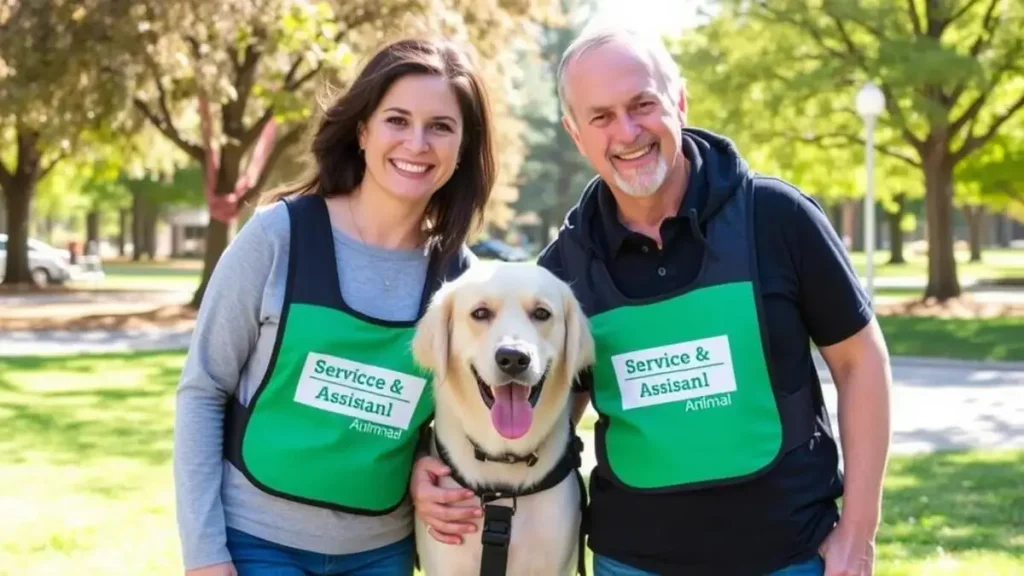
Legal Rights and Responsibilities
Service animals and assistance animals, including those wearing specialized vests, are protected by federal laws such as the Americans with Disabilities Act (ADA) and the Fair Housing Act. These laws require businesses, organizations, and government entities to allow service animals to accompany their handlers in most public spaces, regardless of any “no pets” policies. Handlers also have certain responsibilities, such as maintaining control of their service animal and ensuring it is well-behaved.
The ADA Information Line at 800-514-0301 (Voice) and 1-833-610-1264 (TTY) can provide more details on the Act and its regulations, which aim to offer assistance to entities and individuals with rights or responsibilities under the law. Businesses, state and local government agencies, and non-profit organizations covered by the ADA are required to make “reasonable modifications” to accommodate individuals with disabilities utilizing service animals.
The Air Carrier Access Act also protects the rights of people with disabilities in air travel, separate from the ADA. Additionally, the EEOC administers the ADA in employment settings. If unsure if a dog is a service animal, it is permissible to ask two specific questions for clarification. However, a business or government facility doesn’t have to allow a service animal if their presence fundamentally alters the nature of their services.
Understanding the legal rights and obligations surrounding service animals and assistance animals is crucial for both handlers and the general public. By being informed about the laws and regulations, we can ensure that individuals with disabilities can fully participate in and access the same services and opportunities as everyone else.
Choosing the Right Vest
When it comes to service and assistance animals, the right vest is more than just an accessory. It serves as a critical tool in ensuring the animal’s role is recognized and the handler’s rights are respected. As you navigate the world of assistance animal vests, service animal vests, and service dog vests, it’s essential to consider the unique needs of your animal and your requirements.
The type of psychiatric service animal vest, mobility assistance animal vest, medical alert animal vest, or disability assistance animal vest you choose should be based on the specific tasks your animal is trained to perform. A guide animal vest, for instance, would be ideal for a guide dog assisting an individual with vision impairment, while a vest designed for a service dog trained in medical alert or mobility assistance would be more appropriate for other needs.

Visibility and recognition are also important factors to consider. The vest should identify your animal’s status and ensure you can access public spaces and establishments as needed. Customization options, such as reflective strips or patches, can enhance the vest’s visibility and reinforce the animal’s working role.
Ultimately, selecting the right vest is a crucial step in ensuring your service or assistance animal can effectively support you while also safeguarding their well-being. Take the time to explore the available options and choose a vest that aligns with your animal’s specific training and your own needs.