
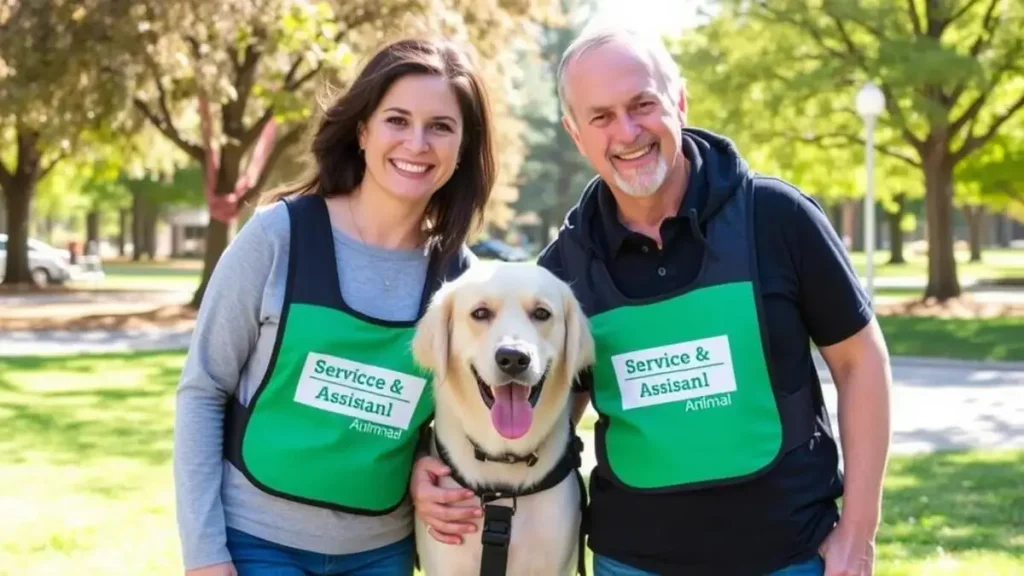
While service dogs have federally protected rights to accompany their handlers in most public places, emotional support animals only have limited legal protections, such as the ability to fly with their handlers in the cabin of an aircraft and to qualify for no-pet housing. This is an important difference, as several states have enacted laws to crack down on the misrepresentation of emotional support animals as service dogs, imposing fines and even jail time on offenders.
To be recognized as a service dog under the Americans with Disabilities Act (ADA), the animal must be trained to perform a specific task related to their handler’s disability. This could include reminding owners with depression to take medication, alerting diabetic owners of low blood sugar, or retrieving items for those with mobility issues. In contrast, emotional support animals provide companionship and comfort without the need for specialized training.
Assistance Animal Vest, Service
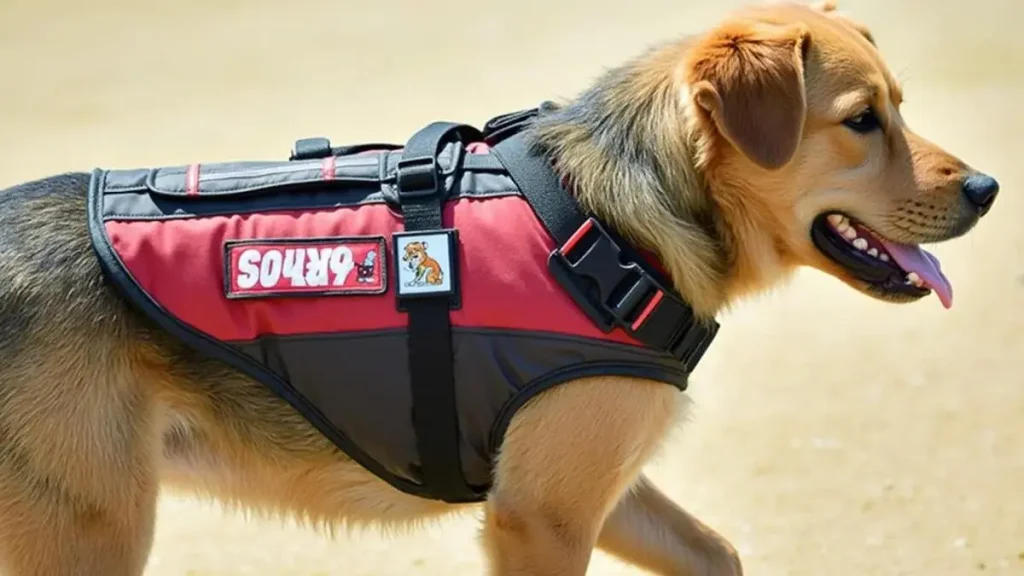
Service and assistance animal vests play a crucial role in identifying these working animals and communicating their specialized functions. These vests serve several important purposes, such as helping to distinguish the animal from a regular pet, conveying information about the animal’s specific training and tasks, and providing visibility and recognition for the handler’s disability.
Purposes of Vests
A well-designed assistance animal vest or service animal vest can be immensely helpful for both the handler and the animal. These vests can protect the animal’s safety and well-being by deterring interference or distraction from the public. They also help the public understand the animal’s working status, which can be crucial in situations where the handler’s condition may not be immediately apparent.
Vest Types
There are various types of vests available for service dogs, psychiatric service animals, mobility assistance animals, medical alert animals, disability assistance animals, and guide animals. The choice of vest will depend on the type of service or assistance the animal provides, as well as any legal or practical considerations. Customized vests can improve visibility and identification, while ensuring the animal’s comfort and ease of handling.