
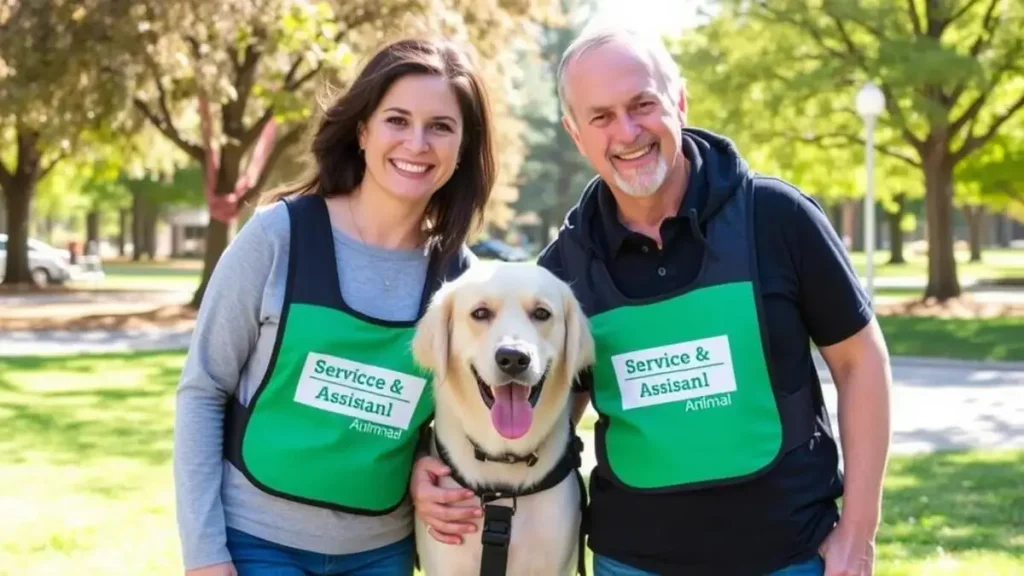
Service & Assistance Animal Vests Explained
Service and assistance animal vests play a crucial role in identifying working animals and ensuring their handlers’ rights are respected. These specialized vests not only provide visibility but also convey important information about the animal’s purpose and training. Whether you’re a handler of a guide dog, hearing alert dog, psychiatric service animal, or another type of service or assistance animal, understanding the types of vests available and their legal implications is essential.
This guide will explore the different categories of service and assistance animals, the distinctions between service dogs and emotional support animals, the purposes and varieties of vests, and the legal rights and responsibilities associated with these working animals. By understanding the importance of service and assistance animal vests, you can ensure that your rights and the rights of your working animal are protected in public spaces.
Types of Service and Assistance Animals
Service animals play a vital role in enhancing the independence and quality of life for individuals with disabilities. Among the most recognized types of service dogs are guide dogs and hearing alert dogs. These “working service dogs” are highly trained to perform specific tasks tailored to their handler’s needs.
Guide Dogs
Guide dogs are trained to guide individuals with vision impairments or blindness through public settings. These remarkable canines are skilled at navigating obstacles, identifying hazards, and leading their handlers safely to their destinations. Their specialized training enables them to serve as trusted companions and mobility aids for those with visual disabilities.
Hearing Alert Dogs
Hearing alert dogs are trained to alert their handlers to important sounds that the individual may be unable to hear or identify, such as alarm clocks, doorbells, telephones, and other critical sounds. By providing this vital service, these “working service dogs” play a crucial role in enhancing the independence and safety of their handlers who experience hearing loss or difficulty.
Service Dogs vs. Emotional Support Animals
When it comes to assistance animals, it’s crucial to understand the distinction between service dogs and emotional support animals. Service dogs are highly trained to perform specific tasks that aid their handlers with disabilities, such as guiding, hearing, or providing stability and support. In contrast, emotional support animals do not require specialized training, but their mere presence helps mitigate the emotional or psychological symptoms associated with their handler’s condition or disorder.