Ramadan 2025: Embracing the Spirit of Fasting, Reflection, and Community
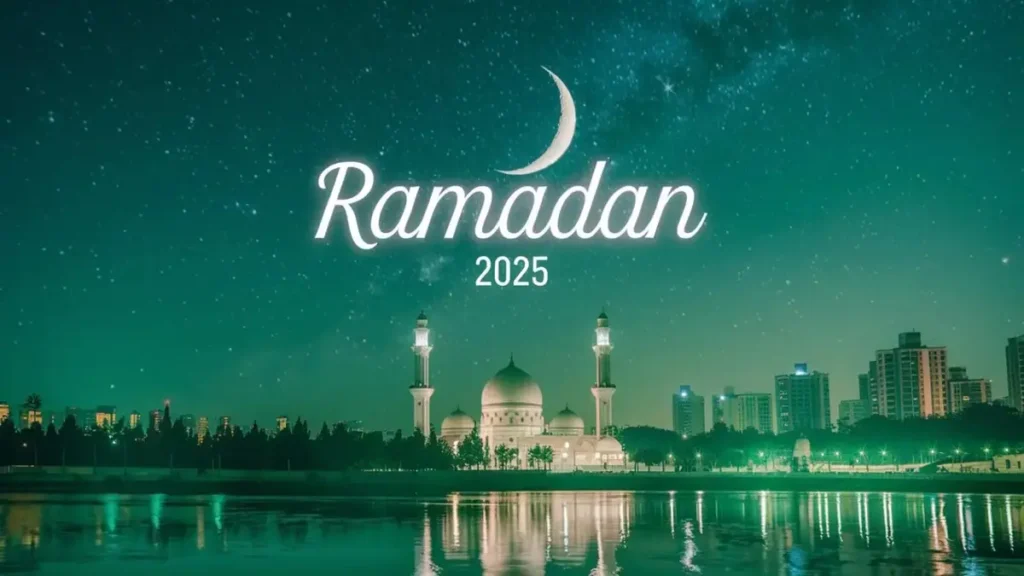
Ramadan is one of the most sacred months in the Islamic calendar, observed by Muslims worldwide as a time for fasting, prayer, reflection, and community. As we look ahead to Ramadan 2025, it’s an opportune moment to deepen our understanding of this holy month and explore how everyone, Muslims and non-Muslims alike, can participate in its spirit of unity, compassion, and gratitude.
For those unfamiliar with Ramadan or seeking ways to support their Muslim friends, colleagues, and neighbors, this guide provides everything you need to know about the dates, practices, and cultural significance of Ramadan 2025.
What is Ramadan?
Ramadan is the ninth month of the Islamic lunar calendar and holds immense spiritual importance for Muslims. It commemorates the first revelation of the Quran to the Prophet Muhammad (peace be upon him). During this month, Muslims practice Sawm (fasting) from dawn until sunset, abstaining not only from food and drink but also from other physical needs.

Fasting is one of the Five Pillars of Islam, alongside faith declaration, prayer, charity, and pilgrimage. Beyond fasting, Ramadan emphasizes spiritual growth, self-discipline, and empathy for others. The fast is broken each evening with Iftar, often starting with dates and water, followed by a full meal. Before sunrise, Muslims partake in Suhoor, the pre-dawn meal that sustains them throughout the day.
Ramadan 2025 Dates
Based on current projections, Ramadan 2025 is expected to begin on the evening of Sunday, March 30, 2025, and conclude on the evening of Tuesday, April 29, 2025. However, the exact dates may vary slightly depending on the sighting of the crescent moon in different regions.
The conclusion of Ramadan is celebrated with Eid al-Fitr, a joyous festival marked by special prayers, feasting, and giving Zakat al-Fitr (charitable contributions) to ensure all can celebrate together.
Key Practices During Ramadan
- Fasting (Sawm):
Fasting during Ramadan is more than just refraining from food and drink; it symbolizes self-control, patience, and gratitude. Each day, Muslims fast from dawn to sunset, breaking the fast at Iftar and preparing for Suhoor before sunrise. - Prayer and Quran Recitation:
Muslims increase their devotion during Ramadan by performing the five daily prayers (Salat) and attending additional nightly prayers called Taraweeh. Many also aim to read or recite the entire Quran during the month, reflecting deeply on its teachings. - Charity (Zakat/Sadaqah):
Giving to those in need is highly encouraged during Ramadan. Whether through mandatory Zakat or voluntary Sadaqah, Muslims strive to help the less fortunate and strengthen community bonds. - Reflection and Community:
Ramadan fosters a sense of unity and belonging. Families and communities gather for meals, prayers, and acts of worship, creating opportunities for connection and spiritual renewal.
The End of Ramadan: Eid al-Fitr
After 30 days of fasting and spiritual dedication, Ramadan concludes with Eid al-Fitr, a festive celebration known as the “Festival of Breaking the Fast.” On this day:
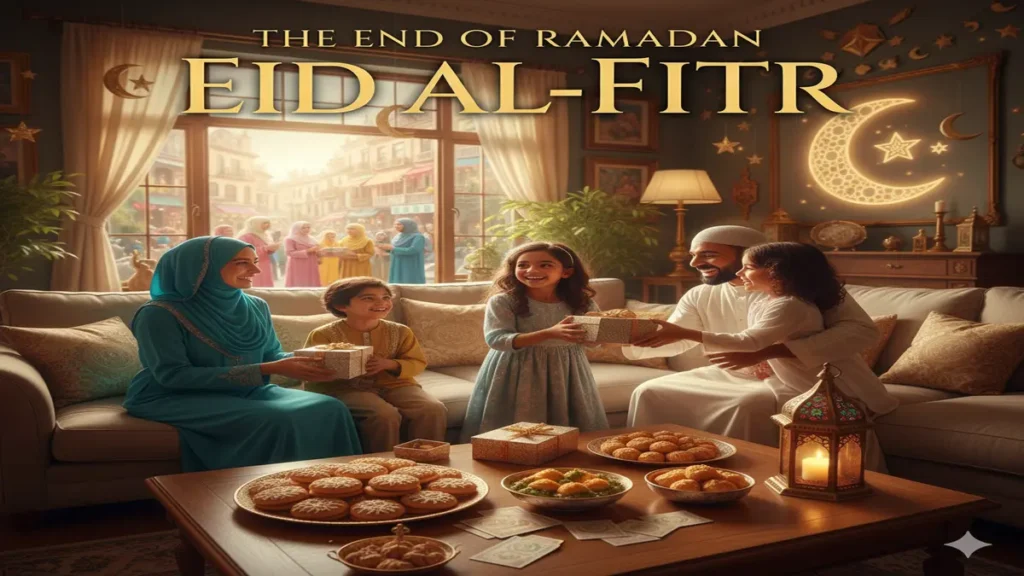
- Muslims attend communal prayers and share greetings such as “Eid Mubarak” (Blessed Eid).
- Families and friends come together for feasts, gift exchanges, and joyful gatherings.
- Zakat al-Fitr is distributed to ensure everyone can participate in the celebrations.
How Non-Muslims Can Show Support During Ramadan
Non-Muslims can play a vital role in fostering understanding and respect during Ramadan. Here are some meaningful ways to show support:
- Be Mindful of Fasting:
Avoid offering food or drinks during daylight hours to those observing Ramadan. Be considerate if colleagues or friends seem low on energy due to fasting. - Participate in Iftar:
If invited, attend an Iftar meal to experience the traditions firsthand. Sharing this special moment can deepen your appreciation for Ramadan and strengthen relationships. - Show Flexibility:
Offer adjustments in work or school schedules to accommodate fasting individuals. For example, avoid scheduling important meetings late in the afternoon when energy levels may be lower. - Engage in Learning:
Take the opportunity to learn about Ramadan, Islam, and its core values. Understanding these traditions enriches cross-cultural relationships and promotes mutual respect. - Offer Words of Encouragement:
A simple greeting like “Ramadan Mubarak” or “Ramadan Kareem” goes a long way in showing support and respect for those observing the holy month.
Final Thoughts
Ramadan 2025 offers a profound opportunity for Muslims to deepen their spiritual connection, strengthen community ties, and embody the values of faith, compassion, and self-reflection. For non-Muslims, it’s a chance to engage respectfully with this significant religious observance and contribute to a culture of inclusivity and harmony.
As the Prophet Muhammad (peace be upon him) said, “Whoever opens up a path of knowledge in search of God, God will make easy for him a path towards paradise.” Let us all strive to seek knowledge, foster understanding, and create a better world together.
To all celebrating Ramadan 2025, may it be a time of peace, blessings, and unity. Ramadan Mubarak!
FAQs About Ramadan 2025
1. When Does Ramadan 2025 Start and End?
Answer:
Ramadan 2025 is expected to begin on the evening of Sunday, March 30, 2025, and conclude on the evening of Tuesday, April 29, 2025. These dates are based on projections and may vary slightly depending on the sighting of the crescent moon in different regions. The conclusion of Ramadan is celebrated with Eid al-Fitr, a joyous festival marking the end of fasting.
2. What Are the Key Practices During Ramadan?
Answer:
The key practices during Ramadan include:
- Fasting (Sawm): Muslims abstain from food, drink, and other physical needs from dawn until sunset.
- Prayer and Quran Recitation: Observers perform the five daily prayers (Salat) and attend special nightly prayers called Taraweeh while also reading or reciting the Quran.
- Charity (Zakat/Sadaqah): Giving to those in need is highly encouraged, with many Muslims donating through Zakat or voluntary acts of charity (Sadaqah).
- Reflection and Community: Ramadan emphasizes self-discipline, gratitude, and unity, often bringing families and communities together for meals and worship.
3. How Can Non-Muslims Show Support During Ramadan?
Answer:
Non-Muslims can show support during Ramadan by:
- Being mindful of fasting hours and avoiding offering food or drinks during daylight.
- Participating in Iftar gatherings if invited, as a gesture of cultural exchange.
- Showing flexibility at work or school by accommodating fasting individuals’ needs, such as adjusting meeting times.
- Engaging in learning about Ramadan and its significance fosters mutual respect.
- Offering words of encouragement with phrases like “Ramadan Mubarak” or “Ramadan Kareem.”
4. Why Do Muslims Fast During Ramadan?
Answer:
Fasting during Ramadan is one of the Five Pillars of Islam and serves several purposes:
- It strengthens faith and spiritual connection with God.
- It promotes self-discipline and patience.
- It encourages empathy for those less fortunate by experiencing hunger and thirst.
- It fosters gratitude for life’s blessings and reinforces the importance of community and charity.
Fasting begins at dawn with the pre-dawn meal (Suhoor) and ends at sunset with the breaking of the fast (Iftar), traditionally starting with dates and water.
5. What Is Eid al-Fitr, and How Is It Celebrated?
Answer:
Eid al-Fitr is the festive celebration marking the end of Ramadan. It is known as the “Festival of Breaking the Fast” and involves:
- Special communal prayers are held early in the morning.
- Exchanging greetings such as “Eid Mubarak” or “Eid Kareem.”
- Enjoying feasts with family and friends, often featuring traditional foods.
- Distributing Zakat al-Fitr, a charitable contribution, ensures everyone can participate in the celebrations.
Eid al-Fitr is a time of joy, gratitude, and renewed hope, symbolizing the completion of a month dedicated to spiritual growth and service.